

-

Why Europe’s heat arrived so early and became so intense
Record heat hit Europe as early as May 2026, with Germany, France, Spain and the Netherlands all breaking temperature records by June. Scientists say the same blocking-high weather pattern seen in 1976 and 2003 is now producing far more extreme heat due to climate change.
-
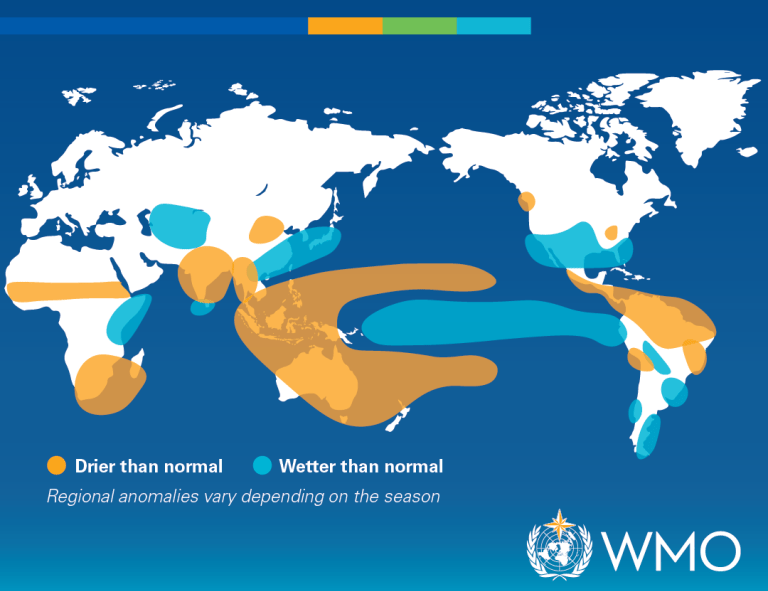
El Niño 2026: What It Means and What to Watch For
El Niño 2026 could influence rainfall, drought risk, seasonal temperatures, and extreme weather in different regions. Learn what El Niño means, how it differs from climate change, and what local warnings to watch.
-

Recycling Myths: Honest Answers to Common Doubts
Recycling isn’t perfect, and some skepticism is fair. This article explains common recycling myths, from contamination and costs to greenwashing, pollution, and whether recycling still makes a difference.
-

Does Recycling Actually Work? Why the Answer Depends on the Material and the System
Recycling can work, but not equally everywhere or for every material. Learn why metals, paper, glass, plastics, infrastructure, design, and country-level systems all affect what actually gets recycled.
-
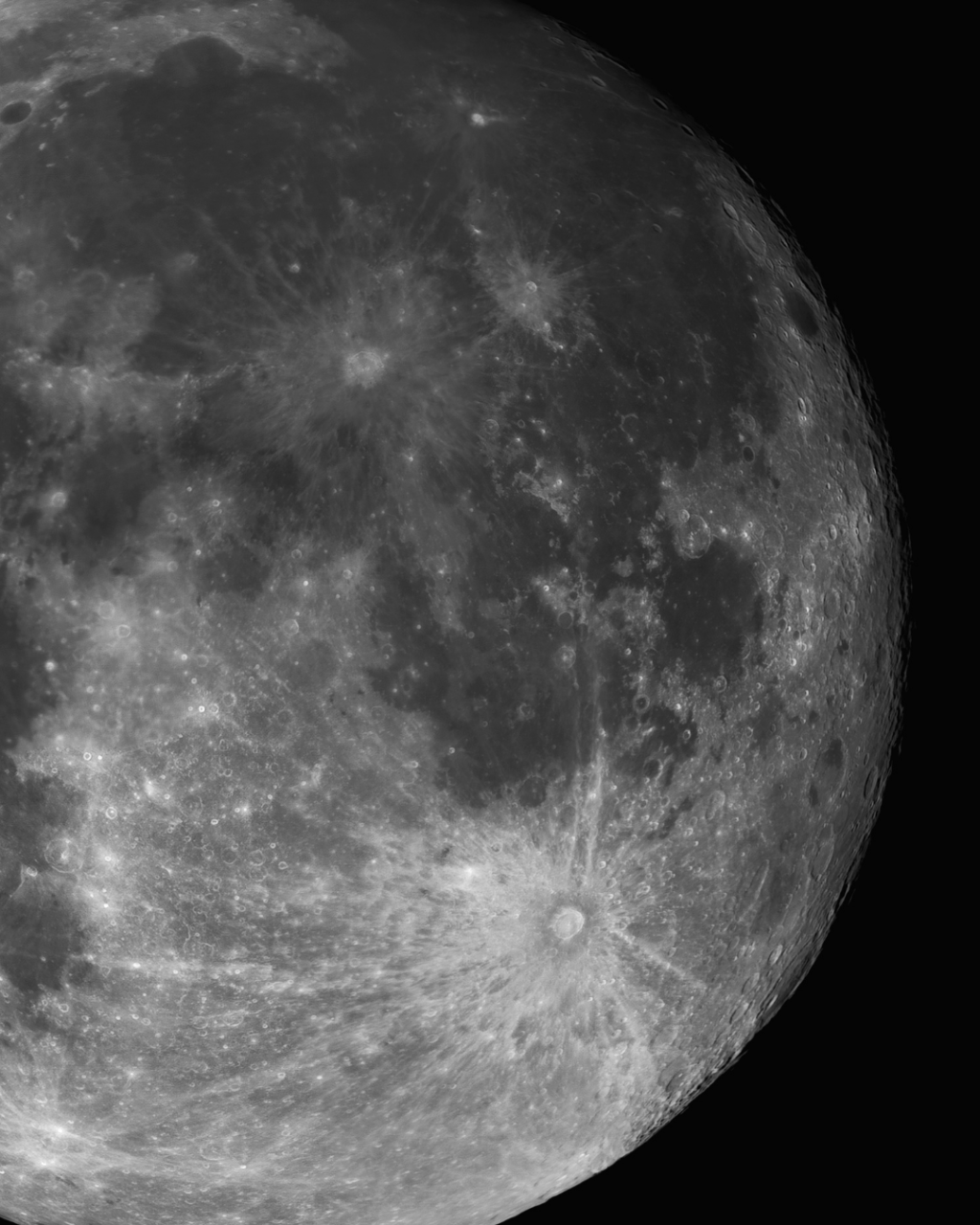
Lunar Water: What We Know, What We Don’t, and Why Artemis II Matters
We now know the Moon contains water, but can we actually use it? From ice hidden in permanently shadowed craters to trace molecules in lunar soil, this article breaks down the science and explains why Artemis II could be a turning point for future missions.
-
Paxton Investigates Lululemon Over PFAS in Athletic Wear
Texas Attorney General Ken Paxton is investigating Lululemon over PFAS in athletic wear. What are “forever chemicals,” how are they used in clothing, and what does science say about the risks?
-
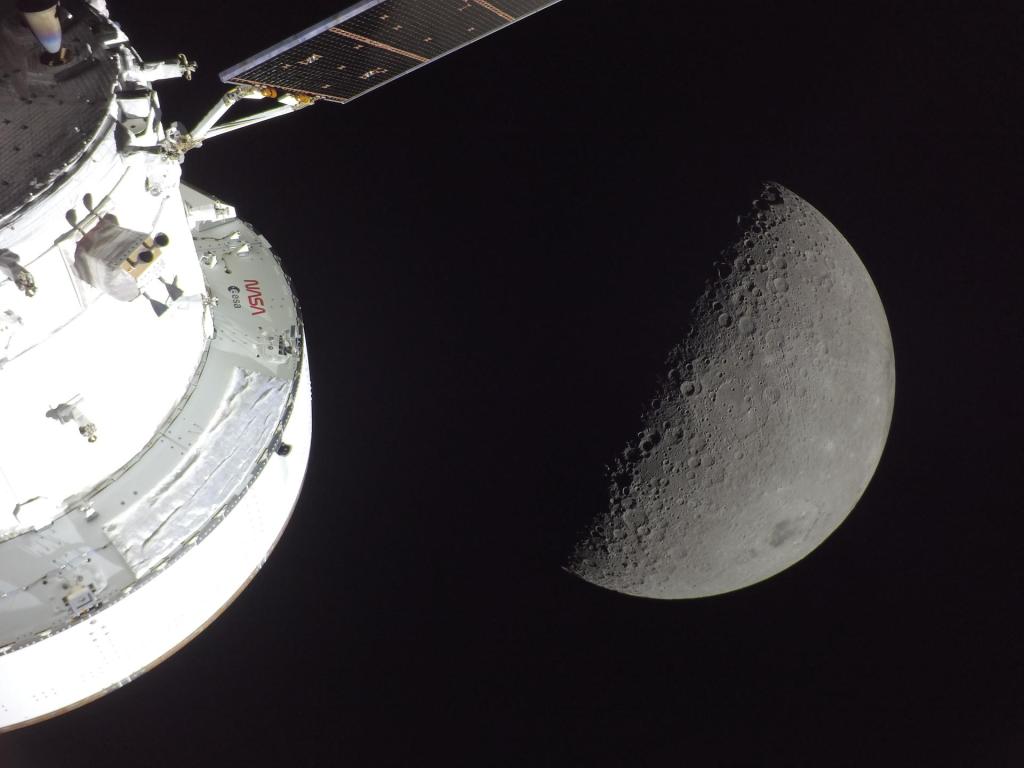
Water Inside Artemis II: The System That Keeps Humans Alive
How do astronauts get water in space? On Artemis II, the Orion spacecraft uses a precisely controlled water system with pressurized tanks, filtration, and timed delivery to manage every drop. In microgravity, even a floating droplet can become a hazard, so NASA engineered a system where water is stored, measured, and injected directly into food…
-
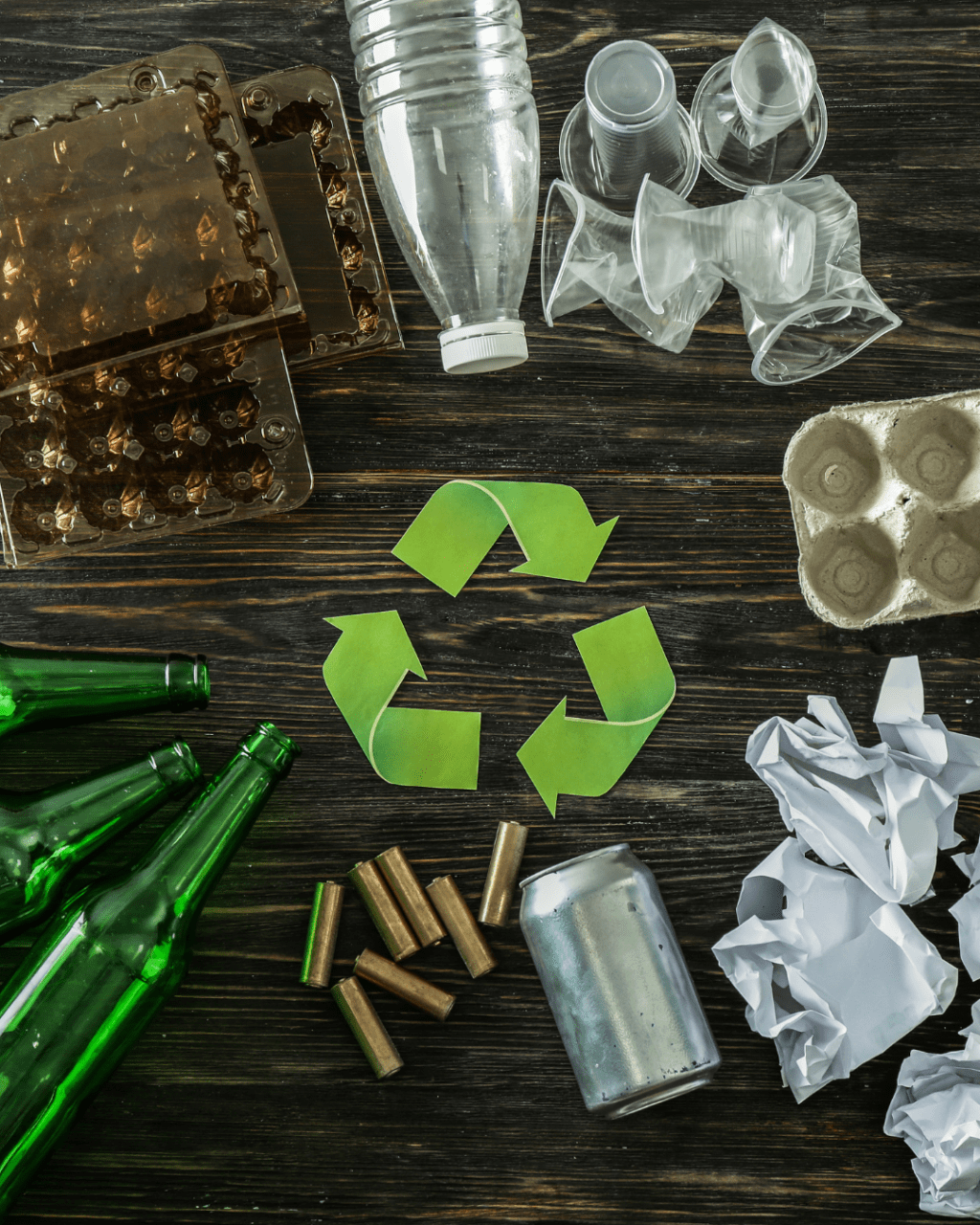
Dutch Recycling Success Story or Sustainability Illusion?
The Netherlands is often hailed as a global leader in recycling and waste management, boasting some of the highest recovery rates in Europe. Yet behind the impressive statistics lies a more complex reality. While paper, glass, and metals are efficiently recycled, plastics remain a weak link, with much of it downcycled, incinerated, or exported abroad.…
-
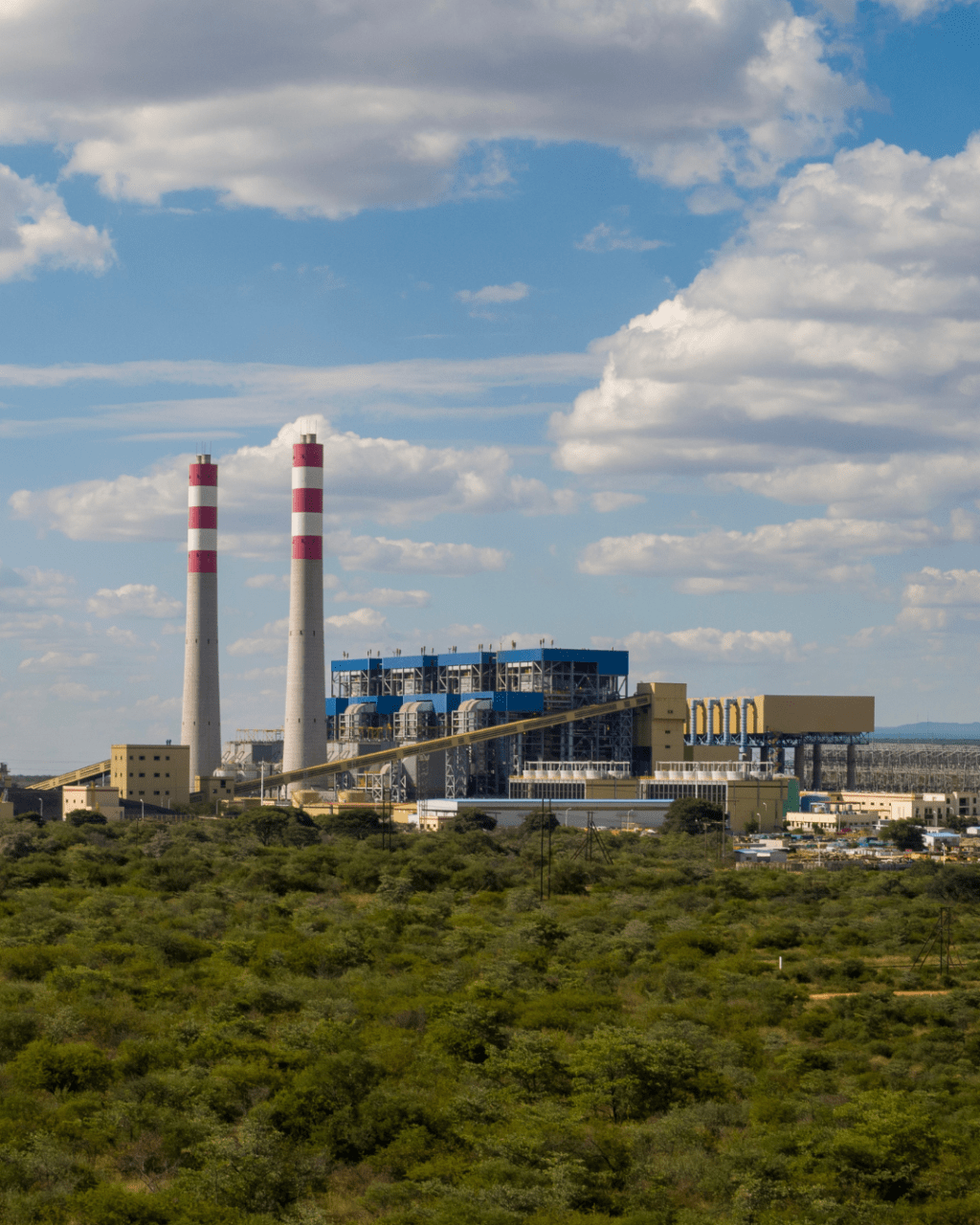
Fossil Fuels Win, Climate Ambition Wait: Key Takeaways from COP30 in Belém
COP30 in Belém raised high expectations for action on fossil fuels, deforestation, emissions, and climate finance, but delivered only partial progress. The summit highlighted a widening gap between climate ambition and implementation, with stalled commitments on fossil fuel phase-out, weak timelines on forest protection, and uncertainty in adaptation finance. Key debates over transparency, just transition,…
-
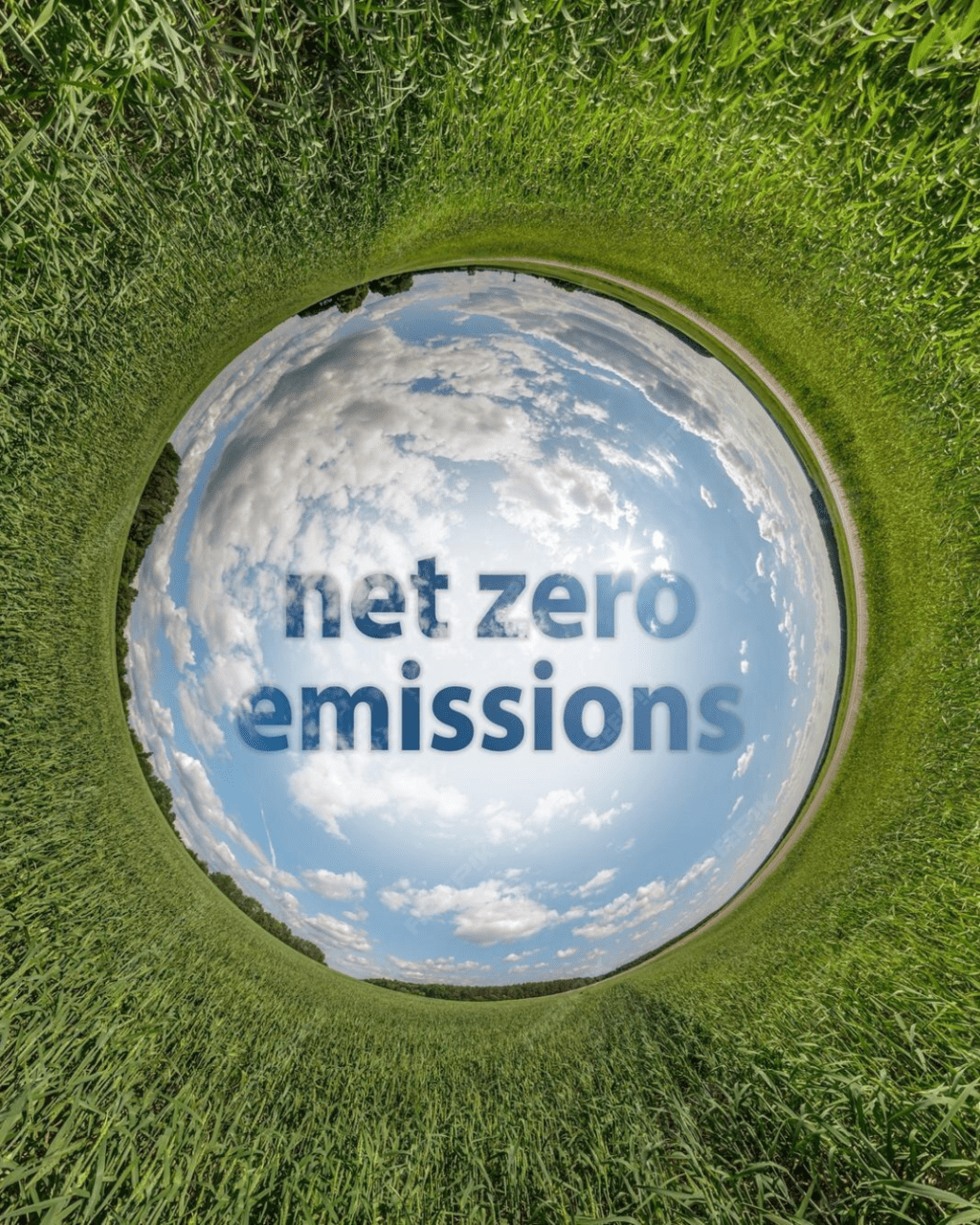
Parliament Sets a 2040 Climate Direction
The European Parliament’s decision to endorse a binding 90% reduction in net greenhouse-gas emissions by 2040 marks a significant moment in the EU’s climate trajectory. Positioned between the 2030 milestone and the 2050 climate-neutrality goal, the new target aims to balance scientific guidance with the diverse political and economic realities across member states.
Hi,
I’m Johanna

Welcome to PlanetSync, your gateway to exploring the pressing challenges, emerging trends, and policy developments shaping the future of our planet’s water resources and environmental systems.
My mission is to bring attention to important topics often overlooked, misunderstood, or difficult to engage with. Through clear and accessible information, I aim to inform and inspire individuals to take informed actions that drive lasting, positive change.
Let’s connect
🌍 Join the PlanetSync Newsletter: Where Complex Issues Meet Clear Insights! 🌍

Water Topics
© 2025 PlanetSync by Johanna Gutiérrez
 planetsync.blog